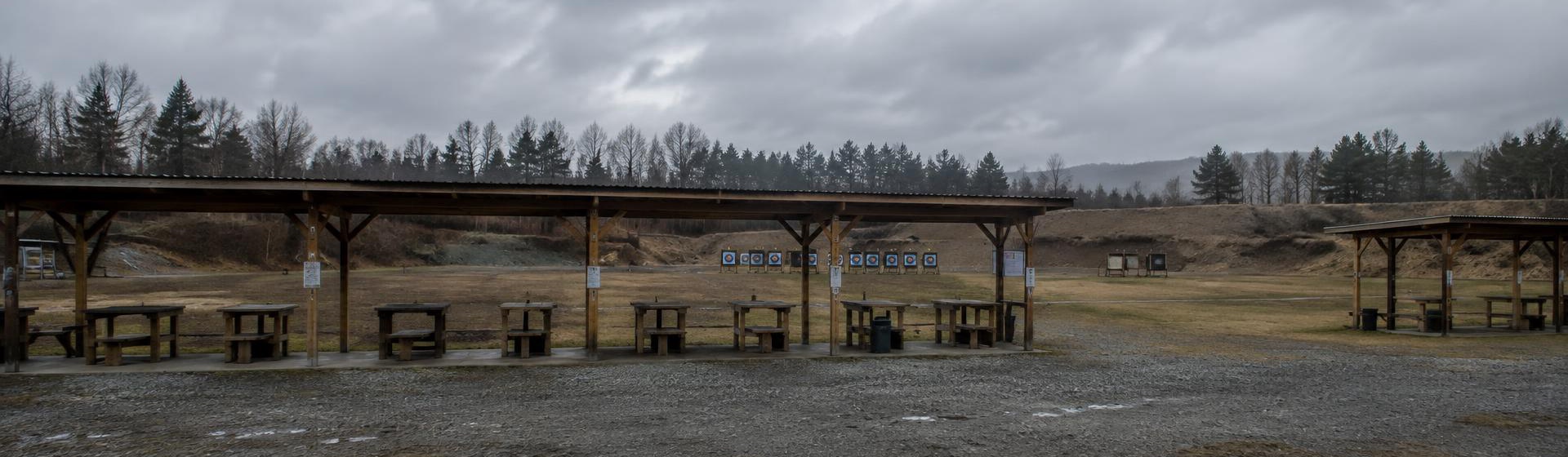

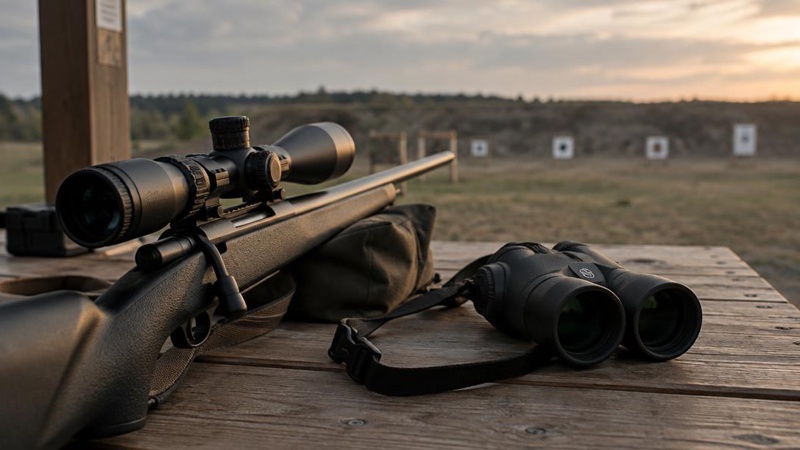
These Sporting Optics types need to be understood in order to set up a reliable system for trips. Here we cover the matters for choosing the different types of Sporting Optics in more detail – binoculars, spotting scopes, rangefinders and riflescopes – to establish a reliable system of use that can be checked, explained and serviced as required without unnecessary mystery. Remember to always refer to local legislation and posted range rules and be sure to read the manufacturer’s instructions for maintenance and servicing of the optical products. Any repairs or adjustments that affect safety must be carried out by a qualified technician.
Start with the real use case
Understanding Different Types of Sporting Optics is less about finding one perfect product than building a dependable routine. This guide focuses on choosing optics by the job, with practical attention to binoculars, spotting scopes, rangefinders and riflescopes. The goal is a setup that can be checked, explained and maintained without guesswork. Always follow local law, posted range rules and manufacturer instructions, and use qualified help whenever a repair or adjustment affects safety. Start with the real use case for each of your optics. Once you have decided upon the jobs that your sporting optics will be used for, write down the trip length and the expected weather, the distances at which you expect to be using your optics, how they will be carried, and lastly your own level of experience with that particular item.
Inspect before every outing
In bright light, carefully go through your sporting optics, i.e. all binoculars, spotter scopes, rangefinders and rifle scopes, one by one, and check them for any signs of wear, loose parts, contamination, poor adjustment, etc. Note down any maintenance work you carry out and also when you have to replace an item. A simple five-minute check each time you go out is much more effective than undertaking a time-consuming check-up annually.
Make fit part of the safety check
Fit is not a luxury. Items that bite, move about or force an unnatural using position will certainly induce you to hurry the setting in order to focus on what is going on around you. Test out items wearing the normal outdoor clothes that you would wear for the outing and practice the relevant actions. The items that work fine when standing still in a warm room are not yet outdoors ready.
Adjust in a controlled order
Adjust one thing at a time and write down the change. After you have made changes to an item go for a short test session to see if the changes have improved things. If you have changed several things then it can be very difficult to work out which change has actually improved things or caused problems.
Spend where reliability matters
Don’t confuse a host of fancy features with high value in sporting optics. Allocate your cash to protective equipment, qualified training and critical Sporting Optics. You can always add ‘rich’ extras later after becoming familiar with what you really need.
Plan for weather and transport
Bad weather is a real test of your planning! Be aware of the increased need for water when it’s hot, sealed compartments can leak in wet weather, and the fine distances between parts of optics can be affected by cold weather. A simple cover or cloth for dryening of equipment could be packed in addition to the normal storage for the item. Allow time for equipment to fully dry before storing closed for long periods of time.
Use clear range and field habits
Have someone check with you before you start. Make sure you follow the established procedures and ask the staff if you are not sure about something. The local range rules always take precedence over any advice given on the Internet.
Clean without causing damage
Maintain your equipment in line with manufacturer’s guidelines and more does not necessarily mean better. Use the correct amount of lubricant and use cleaning products that are not too aggressive for parts such as lenses, illuminators, focus wheels, folding points, finger pockets, etc. Pay particular attention to zippers, seams, adhesives, and sheathing materials. Reference previous blogs for safe storage of field equipment.
Review the kit after the trip
Rather look at what worked well and what did not at the end of the day, take note of any items left behind, any parts that could not be reached, and any other items that would have come in handy had an unexpected problem arisen. Remove any unnecessary weight from your kit and restock any consumables, and you will have built up your store of equipment for future use in a very practical way.
A simple checklist
- Confirm the purpose, conditions and local rules before selecting equipment.
- Inspect fit, condition and adjustment in a controlled setting.
- Only carry protective and support equipment that you truly need for the activity.
- Record when maintenance is performed and replace parts that have suffered damage during use instead of trying to repair them.
- Clean, dry and secure everything promptly after returning home.
Final perspective
In a nutshell: Remember that a simple, repeatable approach is usually the best way to decide on what optics you need for any given job and test them out on a regular basis in typical conditions, slowly but surely fine-tuning every step of the way to create the best possible system, whilst avoiding unnecessary extras that could so easily be left behind, lead to hasty decisions and be prone to damage in the first place.
Practical note 1
The location where you store equipment is as important as the container itself. Avoid locations that are subject to temperature changes, damp floors, and risk of misuse by children or others. Label containers clearly and avoid advertising the presence of high value items. Store keys and access codes in a safe place, such as with a responsible adult.
Practical note 2
These reviews and posts may pose useful questions that you should consider. In terms of buying equipment online however, one can only go by the manufacturer’s website or see it in person and have an expert explain the good and bad of said product.
Practical note 3
Again, you can solve many small issues in one session of practice. Keep it short and sweet. Have an easy tempo. Write down one useful correction for each issue before you get fatigued and then stop for the day. Small steps over time will get you there much better than trying to sort out everything in one session.
Practical note 4
Label your containers well. Store in the best place for the containers, avoid places with great temperature swings, damp floors, and store out of the reach of kids and other unauthorized people. Keep the keys or access codes to stored items with you.
Practical note 5
Although online reviews are very useful for introducing a particular product, they are in no way a substitute for actually trying it out for yourself. You should always try to compare similar products in a store and always ask a representative of the store (usually an experienced professional) about the advantages and disadvantages of a certain model.