

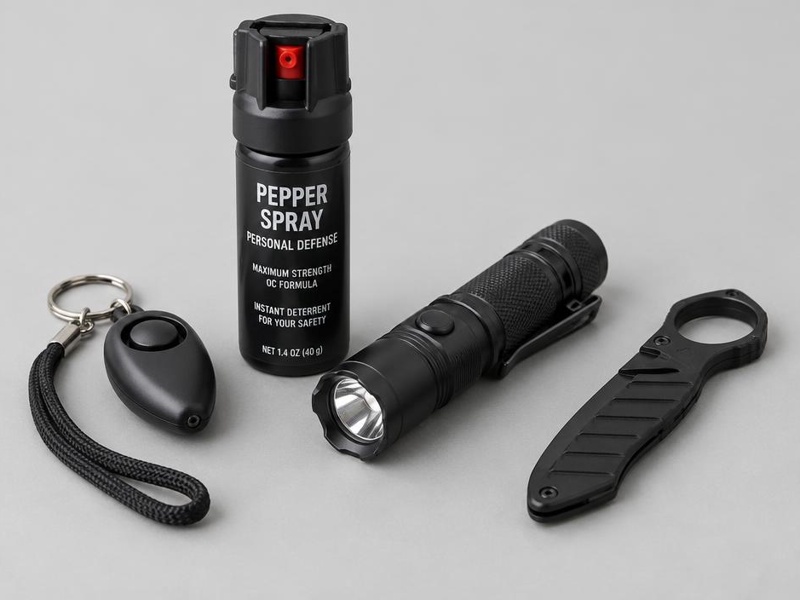
“What to Bring to a First Outdoor Shooting Range Visit” is not about selecting the one best item to bring on a first shooting range visit. Rather it outlines a very simple routine to check, explain and maintain for shooting range equipment. This should be checked prior to use at the shooting range. As ever, compliance with local laws and range rules, as well as the manufacturer’s instructions for any items of equipment, must always be the first point of reference. Moreover, where any repair or adjustment of shooting range equipment affects safety, it must only be carried out by qualified personnel.
Start with the real use case
Planning your first shooting range visit should start with the real use case. Make a list of the following to narrow down the right products for you: the expected duration of your trip, the weather and conditions you expect to encounter, the maximum shooting distance, how you plan to transport your gear, and your level of shooting experience. Work from this list to select the best product for your needs, rather than getting caught up in impressive specifications on the walls of shooting sports equipment stores.
Inspect before every outing
When checking the various pieces of equipment prior to going out to a shooting range, inspect them all in the bright light of day for any signs of wear and tear, any loose parts, any sign of contamination, if they have been properly adjusted, and have there been any changes to the item since its last use? Write down any repairs made to items such as the eye and ear protection, and record the date of any items that require to be replaced.
Make fit part of the safety check
Ergonomically fit safety equipment does not have to be expensive. First test out the safety equipment you plan to take with you while wearing the outdoor clothes you would normally wear. After that, try to mimic the range of motions that you would typically use while outdoors shooting. If it only fits well while standing still in a warm room then it’s not yet ready for the great outdoors.
Adjust in a controlled order
- Make adjustments in a controlled order – one at a time! Write down what changes you made and test the equipment in short sessions of use. If several settings were changed, it may be difficult to find out which change did what and which change even caused a problem.
Spend where reliability matters
I spend my budget on items that will serve me well (to protect myself) for long periods of time and which will be reliable for me, including the odd accessory, later. Look for the minimum-utility piece that will fit you and that you can maintain. Many of the premium products available today are over-engineered (made too complex) and therefore impossible to maintain or repair when they fail. Protect your self by purchasing protective items (eye and ear protection), taking a shooting lesson or two from a qualified shooting instructor and then buying more shooting-related items to augment your growing shooting arsenal later.
Plan for weather and transport
Even more importantly, your first range visit gear will be exposed to weather. So a simple means to protect it from the weather or dry it after it has become wet will be needed. The inspecting after the trip and subsequent storage of the gear in a closed room needs to be done in a dry state.
Use clear range and field habits
Others also need to follow the same procedures as you. Advising others about what you have checked and any other range rules, and asking staff for explanations when necessary, helps to ensure others act responsibly. Local commands always take precedence over internet advice, whether in a range or club setting.
Clean without causing damage
Maintenance must comply with manufacturer’s recommendations. Additional lubrication, higher pressure or more aggressive cleaning agents do not necessarily provide better results. In fact, they can be extremely damaging to equipment finishes, seals, adhesives and optical coatings. Use recommended maintenance products and follow instructions for use.
Review the kit after the trip
When you return to home after a day out take some time to reflect on how things went. Make a note of any items that were not used, any items that were hard to get to and any items that would have been useful in case of an emergency. Dispose of any redundant weights and replace any consumables that were used up during the day.
A simple checklist
- Confirm the purpose of the outing, the outdoor conditions and the local rules for equipment use.
- Check the fit of all items of equipment before taking them out on a practice session, look for any signs of wear and make any necessary adjustments.
- Limit what you take on the trip to what you actually need for support and protection.
- Record any maintenance that was done and replace any damaged components instead of trying to repair them.
- Clean, dry and secure everything promptly after returning home.
Final perspective
In summary, a calm first range visit is about establishing simple fundamentals that can be tested in normal circumstances and then be refined step by step. Remember, it’s all about improving step by step. The less room there is for all kinds of equipment, hasty changes and damage, the better every single practice and every single outdoor adventure will be.
Practical note 1
Store the thing in the same place you store the container, i.e. avoid temperature changes, damp floors, storage in inaccessible locations etc. Make sure the case is clearly labeled so that others know what you have stored there but do not advertise the fact that you have expensive items.
Practical note 2
Online reviews should prompt some key questions, yet ultimately cannot tell you whether something will fit, and whether you have been sold an individual item in good condition. Always seek to view similar items in person where possible, and seek advice from an expert who can highlight both pros and cons.
Practical note 3
For a start, short sessions are better than long. Test out the arrangement and if it is not working then stop for the day and write down one improvement for the next session. However, don’t keep returning to the same issues over and over – that is not going to sort them out.
Practical note 4
Note the storage location as well as the storage container. Storage locations should avoid temperature fluctuations, dampness, dirt etc. Storage containers should avoid advertising their valuable contents. Keys or access codes should be stored by a responsible adult.